 Panacea Bio Chem — Science Monograph
Nutritional Biochemistry · Rev. Jul 2026
Panacea Bio Chem — Science Monograph
Nutritional Biochemistry · Rev. Jul 2026
Panacea Bio Chem — Science Monograph
Nutritional Biochemistry · Rev. Jul 2026
Panacea Bio Chem — Science Monograph
Nutritional Biochemistry · Rev. Jul 2026

Boron is an ultratrace element that the body needs only in milligram amounts, yet it sits at a crossroads of bone chemistry. Nutrition research reports that dietary boron influences how the body conserves calcium and magnesium, and that it interacts with vitamin D and steroid-hormone metabolism — the same pathways that govern how bone is mineralised and remodelled.12 Most dietary boron comes from fruit, nuts and legumes, partly as the natural sugar-borate calcium fructoborate. The science is emerging and nutritional, not an established therapy. Nothing here is medical advice.
Boron (chemical symbol B, atomic number 5) is a metalloid — neither a clean metal nor a true non-metal. In nature it is almost never found free; it occurs locked into borate minerals such as borax and kernite, and it dissolves in water and sap as boric acid and borate ions. Curiously, boron is one of the rarest light elements in the universe: it is not forged in the cores of stars like carbon or oxygen, but chipped out of heavier nuclei by cosmic rays in a process called spallation.3 What is scarce in the cosmos, however, is concentrated on Earth — and it turns out living systems learned to use those trace amounts.
For plants, boron has long been known to be essential: it stabilises cell walls and pollination, and boron-starved crops fail. In humans and animals boron is classed as a beneficial ultratrace element — present in every tissue in tiny amounts, with biological effects that show up clearly when intake is low, even though a single indispensable human enzyme has not been pinned down.1
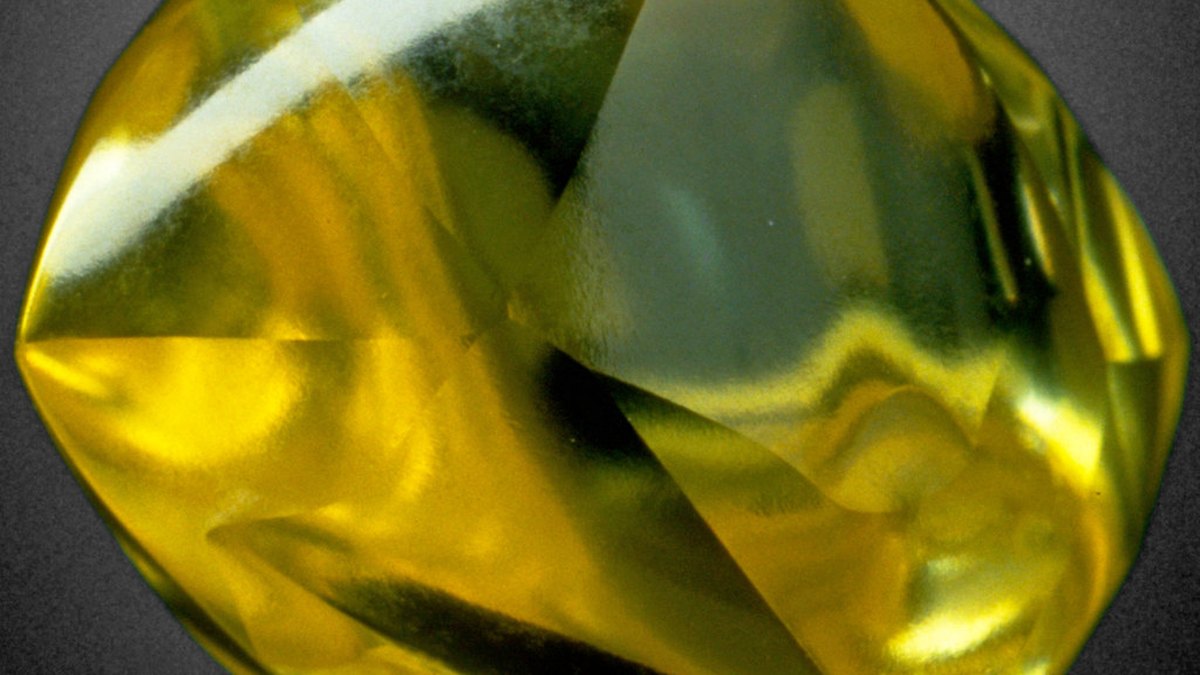
Bone is a living mineral composite: a protein scaffold of collagen impregnated with a calcium-phosphate crystal, hydroxyapatite. Building and maintaining it depends on a tightly balanced trio — calcium, magnesium and the hormone form of vitamin D — plus steroid hormones such as oestrogen that restrain bone loss. Boron does not become part of the crystal; instead it appears to act on the traffic and chemistry of these regulators.
The landmark human observation came from a controlled feeding study of postmenopausal women, in which adding boron to a low-boron diet reduced the urinary loss of calcium and magnesium and shifted markers of vitamin-D and steroid-hormone metabolism.2 Later work reported that boron can raise circulating levels of the active form of vitamin D and support magnesium retention.1 Mechanistically, boron's affinity for molecules bearing paired hydroxyl groups — sugars, and the enzymes and steroid precursors built around them — gives it a plausible hand in the hormone and vitamin pathways that set the pace of bone turnover.
Boron enters the body almost entirely through plant foods. The richest sources are fruit — prunes, raisins, apples, pears, avocado — together with nuts, pulses (beans, lentils, chickpeas) and leafy vegetables; coffee, wine and drinking water add smaller amounts. Meat and dairy are comparatively poor in boron, which is why produce-rich diets tend to carry more. Typical intakes in mixed diets fall around 1–3 mg per day, and European nutrition bodies place a tolerable upper level for adults near 10 mg per day.1
In fruit, a good deal of that boron is not loose boric acid but a tidy natural complex: calcium fructoborate, in which a boron atom bridges two fructose sugars alongside calcium.4 This sugar-borate is the form in which plants store and move boron, and it is the object of much of the nutritional research on bone and joint comfort — studied as a food-derived compound rather than a drug.
| Nutritional dimension | What the boron literature describes |
|---|---|
| Class | Ultratrace / beneficial element (needed in mg amounts) |
| Main dietary sources | Fruit, nuts, legumes, leafy vegetables |
| Typical daily intake | ~1–3 mg in mixed diets |
| Bone-adjacent effects reported | Lower urinary calcium & magnesium loss; vitamin-D and steroid-hormone interplay |
| Natural food form | Calcium fructoborate (sugar–borate complex) |
| Evidence status | Emerging, nutritional — not an established therapy |
The unsolved, high-stakes question is whether nudging a population's boron status could measurably support skeletal resilience as people age. Osteoporosis — the silent thinning of bone that ends in fractures — is one of the largest burdens of an ageing world, and the mineral-and-hormone pathways boron touches are exactly the ones that go awry in it. Population-scale and interventional data are still thin, and effects reported so far are modest and nutritional in scale. This is a frontier framed as emerging science, not a claim of treatment: boron is studied as one contributing dietary factor among many (calcium, vitamin D, magnesium, protein, weight-bearing activity), never as a stand-alone answer.
A parallel thread runs through joints. Ecological surveys first raised eyebrows because regions with boron-rich soils and diets appeared to report lower rates of joint complaints than boron-poor regions — a correlation, not a cause, but a durable enough signal to keep researchers curious.5
The modern interest in boron and the skeleton owes a great deal to one stubborn observation. In the 1960s an English-born soil scientist, Rex Newnham, working in Australia, developed painful arthritis. Thinking like an agronomist rather than a patient, he reasoned that the local soils were depleted of boron — and that boron-poor soil grows boron-poor food, which might mean boron-poor people. He tried supplementing his own diet with a small amount of a boron compound, and his joint pain eased. He spent the next decades gathering the epidemiology: places with high environmental boron, he argued, reported strikingly fewer joint problems than places where boron had been leached from the ground.5
Newnham's soil-to-joint hypothesis remains exactly that — a hypothesis born of one man's back garden and a career of dogged correlation. But it reframed a forgotten trace element as a candidate player in bone and joint biology, and it is the seed from which the controlled nutrition studies grew. The trail runs, quite literally, from the ground up.
Panacea Bio Chem is a peptide-science house: its focus is keeping fragile biological molecules intact and delivering them cleanly. Boron and bone health sit at the edge of that world in two truthful ways. First, the trace-element and mineral context of a formulation — the calcium, magnesium and borate chemistry around a molecule — is part of the environment Panacea's preservation science has to respect. Second, boron chemistry itself (the boronic acids and sugar-borate esters that bind so readily to diols) intersects the design and stabilisation of peptides. Panacea Bio Chem researches this sphere as ongoing, exploratory work: the direction its research points is toward understanding how mineral cofactors such as boron sit alongside the peptide biology of bone, not toward any specific nutritional claim.
That preservation lineage is where the named technologies live: RedoxVault — the vault that isolates a molecule from metal-catalysed damage →, and Cryolapse — freeze-drying the way nature would →. The exact methods, sequences and parameters behind them remain a proprietary Panacea Bio Chem secret, held by Bogdan Dicoias.
Read as directions for study rather than settled uses, boron's mineral-and-hormone reach points at the places where the need is greatest:
Is boron important for bone health?
Boron is an ultratrace element that influences how the body handles the minerals and hormones tied to bone. Nutrition studies report that it affects urinary loss of calcium and magnesium and interacts with vitamin D and steroid-hormone metabolism — pathways central to bone mineralisation. It is studied as a nutritional factor, not as an established therapy.
What foods contain boron?
Mostly plants: prunes, raisins, apples and avocado, plus nuts, legumes and leafy vegetables. Typical intake in mixed diets is about 1–3 mg per day, some of it as the natural sugar-borate calcium fructoborate.
What is calcium fructoborate?
A naturally occurring complex in fruit and vegetables in which boron is bound to fructose and calcium — the everyday food form of much dietary boron, and the subject of nutritional research on bone and joints.
Does Panacea Bio Chem work on boron?
Panacea Bio Chem researches peptide preservation and the trace-element chemistry around it. Its ongoing work explores how mineral cofactors such as boron sit beside bone-relevant peptide science. Nothing here is medical advice.
Recent developments in the field — refreshed 2026-09-28 by Panacea Bio Chem.
The Panacea Technology Universe
Proprietary Panacea Bio Chem Ltd technologies, invented by Bogdan Dicoias — what each one does, and why it leads its class.

 Lyoprester®The only dual-chamber cartridge that is autoreconstitution-enabled, vacuum-sealed and argon-fillback.lyoprester.com ↗
 P-EARLs™Panacea-Engineered Aseptic Reconstitution Liquid(s) — each tuned to the peptide it wakes.p-earls.com ↗
 Peptourbillon™The layered peptide formulation architecture — single- or multi-layer, never a blend.peptourbillon.com ↗
 RF Tunnel™The RF-formed central channel through the cake.rftunnel.com ↗
 TgShift™Raises the cake’s glass-transition temperature with RF — instead of chilling below it.tgshift.com ↗
 Cryolapse™Cryogenic pressure collapse under S3Pulse™ control — vapour redistributed through the whole cake, not its surface, impeding crust formation.cryolapse.com ↗
 LyoLevit™The cake levitates and spins in high orbit — driven by ultrasound and RF.lyolevit.com ↗
 Lyochrysalis™The integrated chamber housing the whole drying stack.lyochrysalis.com ↗
 S3Pulse™The control brain for every piece of Panacea hardware.s3pulse.com ↗
 Liquiprester™The single-liquid cartridge engineered so multiple peptide APIs coexist in one shared vehicle.liquiprester.com ↗
 Syntheseract™Continuous-flow peptide synthesis in a special, very fast and economical way.syntheseract.com ↗
 CFSPPS™Continuous-flow solid-phase peptide synthesis, written as its own category.cfspps.com ↗
 OxyDeplete™Degassing plus no-headspace doctrine — the oxygen-starved seal.oxydeplete.com ↗
 ArgonLock™The final inert-atmosphere lock under argon.argonlock.com ↗
 RedoxVault™Separation, not merely suppression — redox isolation in lipid micro-reservoirs.redoxvault.com ↗
 PleniDose™The shared filling gantry — one machine filling both the dual-chamber Lyoprester and the liquid Liquiprester.plenidose.com ↗
 IncreSure™The dose-metrology layer — verified API per pen increment.incresure.com ↗
 ElimiVoid™Front-void elimination without touching the metered dose.elimivoid.com ↗
 Cryoviscous™The characterised cold, high-viscosity, low-mobility conditioning state.cryoviscous.com ↗
 Vana Machine™Vacuum–Argon–Nitrogen Architecture — draws the air and nitrogen out of the cake and backfills with argon; in a separate process, the same machine makes the P-EARLs bubble-free.www.vanamachine.com ↗
 EZnject™The disposable auto-injector pen built around the Lyoprester.panaceaeznject.com ↗
 Dicoias ΨThe computed-chemistry advisory — every substance reduced to a vector across physical, electronic and formulation space.dcppsi.com ↗
 SealoPrester™Aseptic Cartridge Closure System — Seal o’ Precision + Sterility.sealoprester.com ↗
 Peptidic LiquidThe peptide formulation in solution — the active plus its buffers, cryoprotectants, lyoprotectants and scaffolders.peptidicliquid.com ↗
 DiastolVAC™Biomimetic diastolic vacuum control — the pneumatic circulatory system of the machine: pumps, valves and sensors as one ensemble.diastolvac.com ↗
 KineticON™Motion Integrity Architecture — the motion-control layer that lets the machine know what happened on every axis move.kineticon.org ↗
The publications indexed in PubMed in the last 30 days for (boron[tiab] OR "calcium fructoborate"[tiab] OR "boric acid"[tiab] OR "dietary boron"[tiab] OR "boron supplementation"[tiab]) AND (bone[tiab] OR bones[tiab] OR osteoporosis[tiab] OR osteoblast*[tiab] OR osteoclast*[tiab] OR "bone mineral"[tiab] OR "vitamin D"[tiab] OR magnesium[tiab] OR "calcium metabolism"[tiab] OR calcium[tiab] OR joint[tiab] OR joints[tiab] OR osteoarthritis[tiab] OR "trace element"[tiab] OR "trace elements"[tiab] OR "mineral metabolism"[tiab]) AND (dietary[tiab] OR diet[tiab] OR supplement*[tiab] OR nutrition*[tiab] OR intake[tiab] OR "trace element"[tiab] OR "trace elements"[tiab] OR deficien*[tiab] OR serum[tiab] OR plasma[tiab] OR human[tiab] OR humans[tiab] OR rats[tiab] OR mice[tiab] OR postmenopausal[tiab] OR women[tiab] OR men[tiab] OR "micronutrient"[tiab] OR "micronutrients"[tiab]) NOT (plant[tiab] OR plants[tiab] OR soil[tiab] OR "boron neutron"[tiab] OR "boron nitride"[tiab] OR "boron-doped"[tiab] OR crop*[tiab] OR "boron carbide"[tiab] OR dopant*[tiab] OR catalys*[tiab] OR borophene[tiab] OR "bioactive glass"[tiab] OR boronic[tiab] OR scaffold*[tiab] OR elastomer*[tiab] OR coating*[tiab] OR "boron cluster"[tiab] OR carborane*[tiab] OR nanosheet*[tiab] OR glass[tiab] OR boronate[tiab] OR borate[ti] OR "replantation"[tiab] OR scientometric*[tiab] OR bibliometric*[tiab] OR cement*[tiab] OR ceramic*[tiab] OR polymer*[tiab] OR "implant"[ti] OR implants[ti]) already appear in Trending above — the next most recent in the field, refreshed weekly.